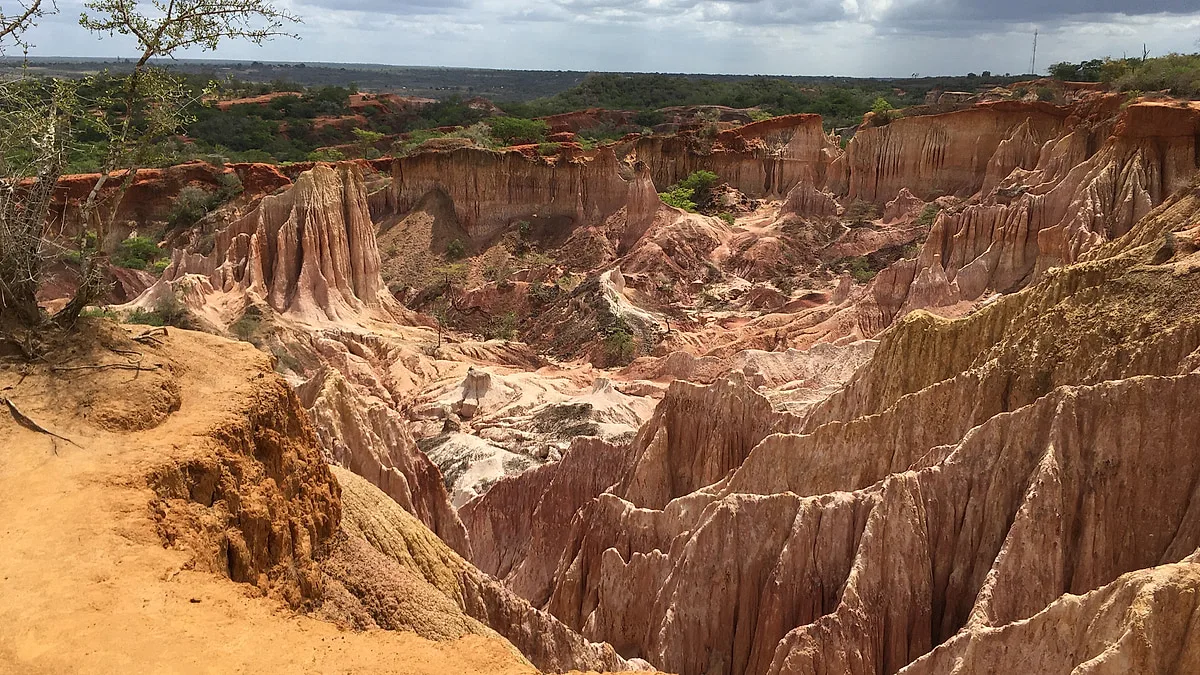
Whether you’re staying in the coastal paradise of Watamu or exploring the vibrant town of Malindi, one hidden gem continues to leave visitors in absolute awe: Hell’s Kitchen, Marafa. Known locally as “Nyari,” meaning “the place that breaks by itself,” this dramatic sandstone canyon is a masterpiece shaped by thousands of years of natural erosion.
Often described as a “miniature Grand Canyon,” Marafa features a breathtaking landscape of jagged gorges, towering rock spires, and winding formations rising up to 30 meters high. For travelers seeking a deeper connection with the “real Africa” beyond the classic savannah experience, this geological wonder offers both striking scenery and a powerful emotional experience.
Why It’s Called “Hell’s Kitchen”
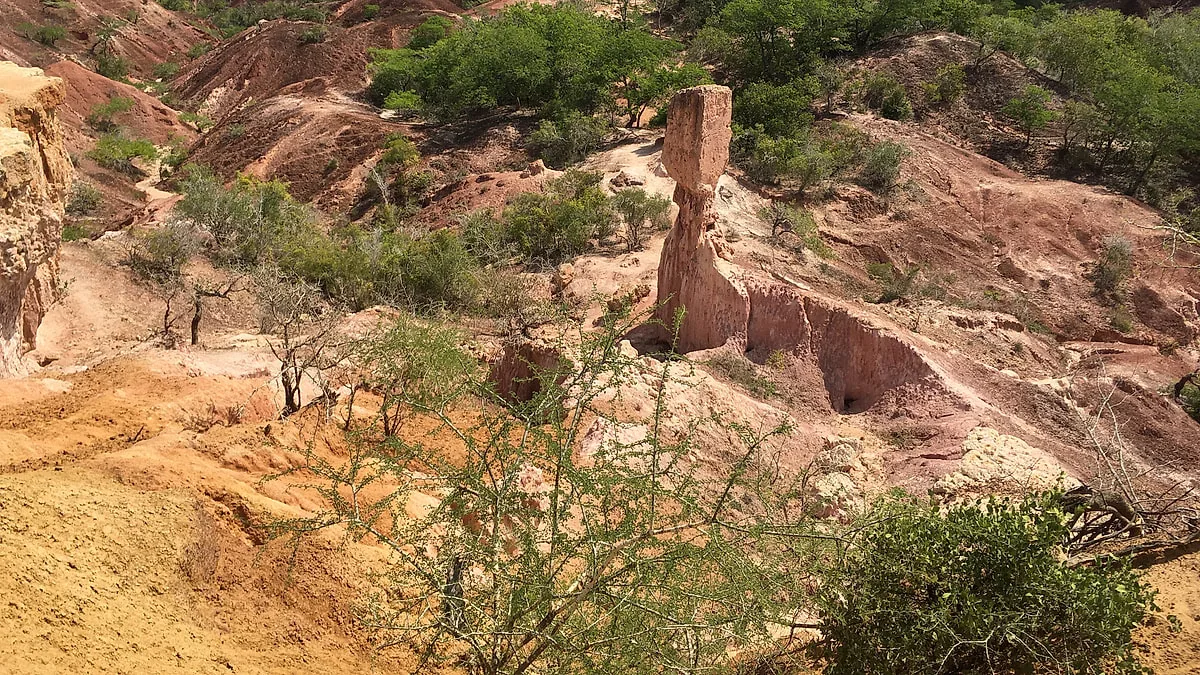 The name “Hell’s Kitchen” perfectly captures the canyon’s intense atmosphere. According to local guides, temperatures inside the gorge can climb to as high as 50°C during the hottest parts of the day. The name is also inspired by the canyon’s fiery sandstone colors, ranging from soft whites and pinks to deep oranges and crimson reds, which make the landscape appear as though the rocks themselves are glowing, especially at African sunsets.
How to Get to Hell’s Kitchen Marafa
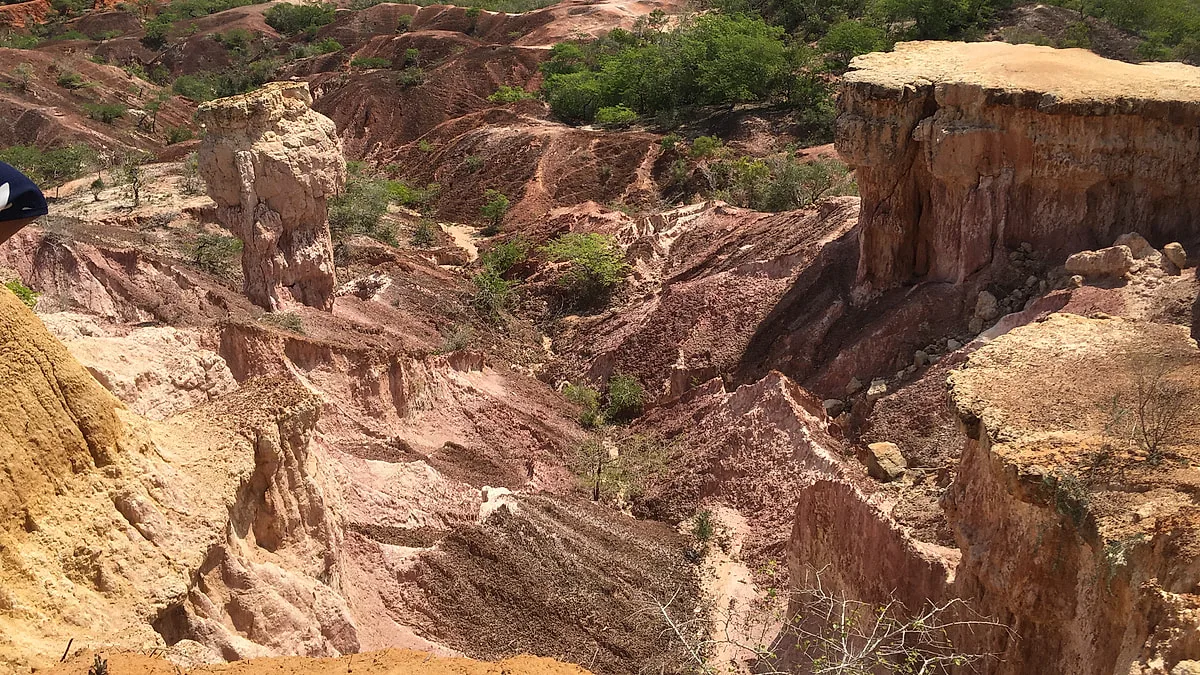 Hell’s Kitchen, Marafa, is approximately 40 km from Malindi town and a 40-minute drive via the B8 road.
Marafa’s Hell’s Kitchen is an odd-looking sandstone canyon with sundae-like layering of pinks, reds, whites, oranges, browns, and deep crimsons that are dreamy, especially at sundown. It’s quite a spectacle that couldn’t be described better by a blog or YouTube video. I’d recommend taking some time off to visit this iconic Canyon anytime close to Malindi.
Hell’s Kitchen, a Canyon located in a small area of Marafa, is slowly expanding. The edges seem to be eroding with every wind, rain, flooding, and human activity. The Canyon is gradually eating up its tall walls, reducing the surrounding real estate inch by inch.
Drive to Marafa
Thanks to my good friends Chris, Allan, Mercy, and Sarah, we arrived at Marafa at 2 p.m. on a Sunday. We’d woken up at 5 a.m. to catch the sunrise at the Pier in Malindi (an incredibly magical moment), with short stops after at Vasco Da Gama Monument and Falcon Sanctuary and brunch at an authentic Swahili restaurant. Unfortunately, it’s hard to come by these local restaurants on the coast anymore, and in my experience, they are a slowly dying business.
We had access to the canyon for Ksh. 700 each. Hell’s Kitchen is a government-sponsored, community-run initiative set up to give back to the community and preserve natural phenomena. I won’t go into details about the Canyon. Instead, in this post, I want to share the Legend of Hell’s Kitchen.
After we paid entry fees into the Canyon, we were assigned a guide, a tall, stocky guy with massive dreadlocks. I must admit, he’s the most patient person I have met in a while (people from the coast are generally kind and patient), and he didn’t mind our fascination with everything or the time we spent taking pictures at every corner.
Juma, the guide, is a true Marafa local. He was born and bred in the Hell’s Kitchen area. As we hiked down the Canyon, he shared some of his childhood memories about the place. As a kid, Juma would herd his family animals around the Canyon, but never alone. It was believed that the place was haunted, and from time to time, locals trekking through the Canyons told stories of strange noises from spirits that roamed the site.
I had chills walking down the Canyon hearing these stories. However, in the back of my mind, I also figured the mystery of the Canyon was perhaps the only reason I was able to enjoy its magnificence decades later. The site remains untouched because of the mysterious stories surrounding it.
However, one story captured my attention. It is folklore and something of a legend surrounding Hell’s Kitchen, the Marafa Sandstone Canyon.
The Local Legend Behind Hell’s Kitchen Marafa Canyon
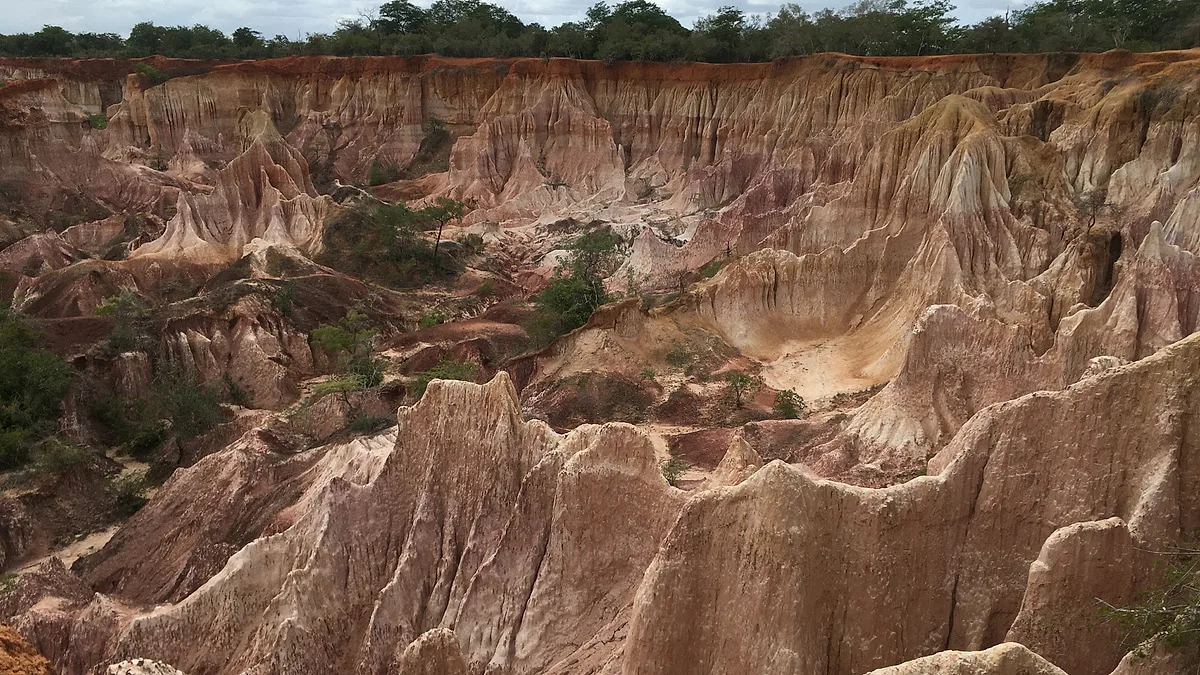 According to Juma, this tiny Canyon, deep in Marafa, was once the homestead of a wealthy family in that community. The mystery surrounding the Canyon is surrounded by a series of events that led to the fate of a family that lived on the site.
Hundreds of years ago, a wealthy family lived in this location in the Giriama community. A famine that lasted for years hit the area, and locals had to walk for days to get water and food for their animals. Yet, while everyone else was suffering, one family was thriving—The wealthy family.
The family that lived in Hell’s Kitchen had many cattle, all the food they needed, and even more. However, they did not share it with the community. They were so mean that they bathed and washed their things in milk while their neighbors died of hunger.
God wasn’t happy with this family. And one night, when everyone was asleep, the community heard a loud bang from the family’s homestead. Since they rarely spoke with the community or invited anyone over, no one left their house to see what was happening.
When the villagers woke up in the morning, they found the entire homestead, including the occupants and their cattle, swallowed by the ground. What was left behind was the deep Canyon with cake-layered colors.
According to Juma, the white layers in the Canyons represent milk, the red represents the blood the family sheds, and the brown represents the color of their cattle.
The site has been deserted ever since. However, villagers believe that in the evening or very early in the morning, you can still hear the family’s voices crying and begging for help deep in the Canyon.
Planning Your Visit: The Best Time to Go
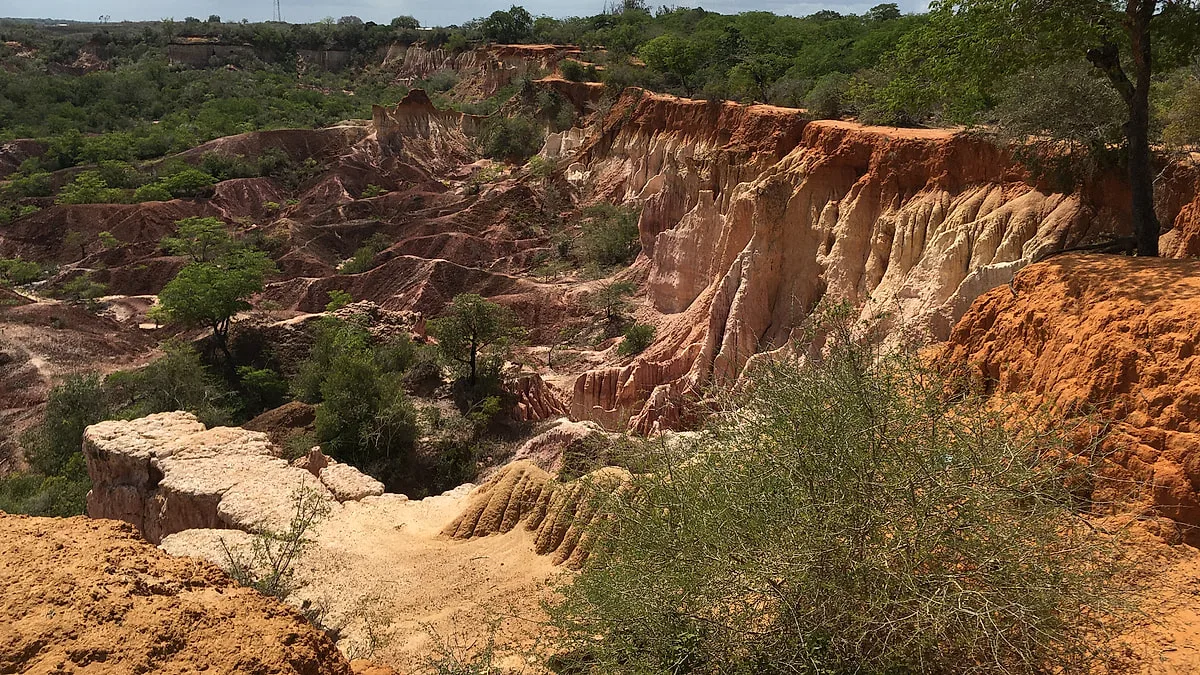 Timing plays a major role in making the most of your visit to Marafa Hell’s Kitchen. Because of the intense daytime heat, the late afternoon is considered the ideal time to explore the canyon and witness its famous changing colors.
Best Time for a Tour
Most excursions run between 2:30 PM and 7:30 PM, giving visitors enough time to experience the landscape before sunset.
The Sunset Experience
Arriving around 3:30 PM allows you to enjoy a guided walk through the narrow canyons as the sunlight gradually shifts across the sandstone walls. As the sun lowers, the colors transform minute by minute, creating a dramatic “rocks on fire” effect that makes the site truly unforgettable.
Wildlife Encounters
There’s a good chance you’ll see some wildlife when you visit Marafa. If you are fortunate, you may also spot baboons and hyenas emerging around the canyon as evening approaches.
Marafa Hell’s Kitchen Tour Itineraries
There are two popular ways to experience the canyon, depending on whether you prefer a short excursion or a full day of coastal adventure.
1. The Half-Day “Sunset” Excursion
This budget-friendly tour focuses entirely on the canyon and its breathtaking sunset views.
2:30 PM: Hotel pickup from Malindi or Watamu
3:30 PM: Arrival at Marafa and briefing by a local guide
3:45 PM: A 45-minute to 1-hour guided hike through the dramatic rock formations
5:30 PM: Reach the main viewpoint to watch the canyon glow during sunset
6:00 PM: Departure from Marafa for a return trip, arriving around 7:00 PM
2. The Full-Day Coastal Safari
For travelers looking to experience more of the region, some tour operators combine Marafa with other nearby attractions.
Morning at Golden Beach
Relax under the coastal sun or take a walk along the pristine shoreline.
Lunch at Robinson Island
Enjoy a traditional Swahili-style seafood feast featuring crab, shrimp, fish, and coconut rice.
Afternoon at Hell’s Kitchen
Head to the canyon after 3:30 PM to end the day with the spectacular sunset experience.
Optional Add-Ons
Some tours also include visits to the historic Gede Ruins, a 12th-century Swahili settlement, or the Mambrui Sand Dunes for quad biking adventures.
Practical Information for Travelers
Entrance Fees and Costs
Visits to Marafa Hell’s Kitchen are managed by the local community, meaning your entrance fee directly supports conservation efforts and local livelihoods.
Kenyan Citizens: Ksh 700
Foreign Visitors: Ksh 1,000
Guide Fees: Usually included in the entrance fee
Public Transport: Independent travelers can access the site from Malindi using local transport for approximately Ksh 250 one way
Location and Accessibility
Marafa Hell’s Kitchen is located about 40 kilometers northwest of Malindi, roughly a one-hour drive from the coast. The journey itself is part of the experience, taking visitors through open landscapes, rural villages, and scenic acacia forests that showcase the beauty of Kenya’s coastal countryside.
What to Bring
Here are a couple of things you need to get the best out of your excursion at Hell’s Kitchen, Marafa.
Stay Hydrated
Carry plenty of bottled water, especially during the hotter hours of the day, although many organized tours provide refreshments.
Photography Gear
The canyon’s dramatic formations and vibrant “colors of Africa” make it a paradise for photographers, so ensure your camera or phone is fully charged.
Light Clothing
Breathable, lightweight clothing is highly recommended due to the intense heat within the gorge.
Comfortable Walking Shoes
The tour involves walking and light hiking through uneven sandstone terrain, making sturdy footwear essential.
Why Choose a Local Guide?
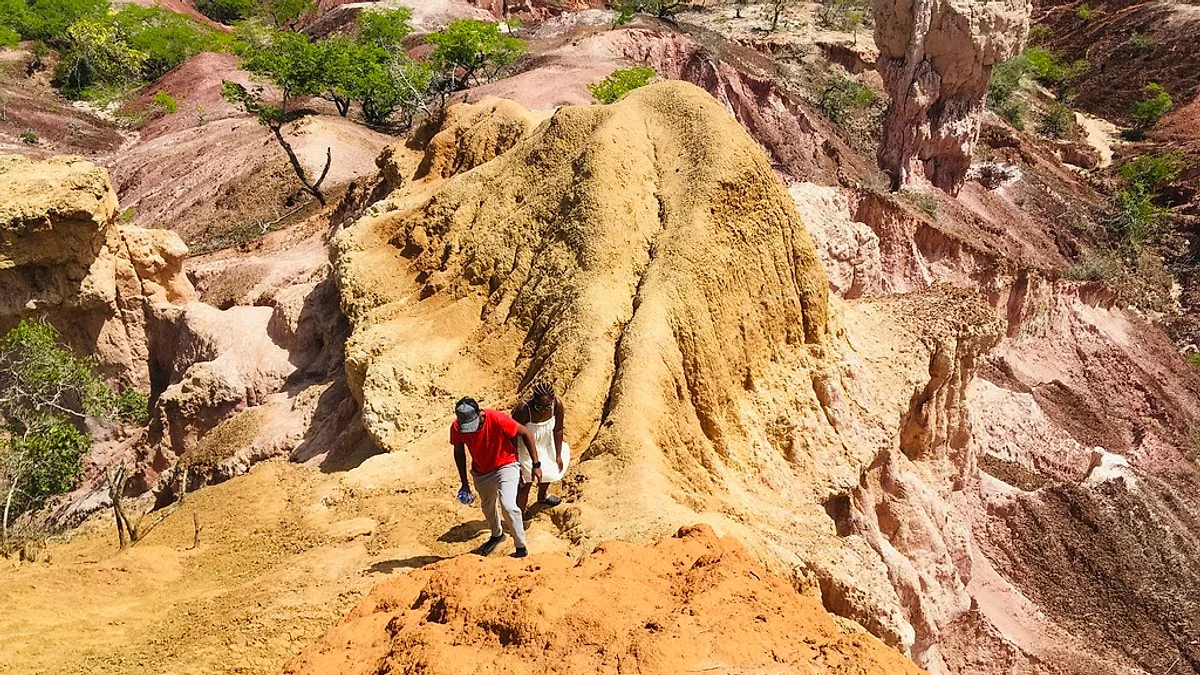 Hiring a professional local guide greatly enhances both the safety and overall quality of the experience at Marafa Hell’s Kitchen.
Safety and Navigation
Local guides understand the terrain, weather conditions, and safest routes through the canyon, especially during extreme heat.
Cultural Storytelling
They also share the rich Mijikenda legends and cultural history connected to the site — stories and traditions that visitors would otherwise miss.
Help With Logistics
Many guides can assist with transport arrangements, entry coordination, and planning your excursion from nearby coastal towns.
Is Marafa Worth It?
As a travel destination, Marafa Hell’s Kitchen offers a remarkable blend of geological beauty and rich cultural heritage. Beyond its dramatic sandstone formations, the canyon delivers a deeply emotional experience that leaves many visitors in complete awe of nature’s artistry.
For travelers staying in Watamu or Malindi, a visit to Marafa is more than just a sightseeing excursion. It is one of the most unforgettable and moving experiences along the Kenyan coast.
About the Author
Charles Sifwabi is a Kenyan freelance writer, journalist, and digital content creator known for his engaging storytelling and deep understanding of Kenyan lifestyle, travel, and automotive culture. As a contributor to ReachTheDodo, he has built a reputation for producing informative, reader-friendly articles that blend practical insights with compelling narratives.
His work spans a wide range of topics, including automotive reviews, tech, and travel guides highlighting destinations across Kenya, such as Kilifi and Eldoret. Charles also covers entertainment, fashion, and celebrity news, showcasing his versatility as a lifestyle writer with a strong connection to contemporary Kenyan culture.
You can contact Charles on his X or Facebook account.