A major shift is reshaping the remote work landscape along the Kenyan coast. While Nairobi has traditionally been East Africa’s business hub, Kilifi is emerging in 2026 as the preferred destination for digital nomads seeking both productivity and an exceptional quality of life. Often described as a potential “African Chiang Mai,” Kilifi combines unspoiled beaches, a vibrant creative community, and a cost of living that makes a comfortable lifestyle far more attainable.
Beyond its laid-back coastal charm, Kilifi offers reliable work-friendly spaces, a growing international community, and a slower pace of life that appeals to remote professionals looking to escape the pressures of large cities. The town’s blend of natural beauty, cultural energy, and affordability is steadily positioning it as one of Africa’s most attractive remote work destinations.
Drawing on expert insights and local data, this guide explores why Kilifi could be the perfect location for your next remote work adventure.
The Kilifi Revival: From Sleepy Coastal Town to Tech Haven
For years, Kilifi was known as a laid-back coastal escape, attracting travelers seeking a quieter alternative to the busy tourist scenes of Malindi and Diani. But after 2020, the town underwent a dramatic transformation.
After the pandemic, Nairobi experienced an urban exodus. Thousands of people lost their jobs, and the once vibrant, fast-paced city center was deserted. Today, it stands as a hub to SMEs and retailers.
While everyone else was running upcountry from the cities, a small, close-knit community of workers had something else in mind. This community of professionals has been working from home for more than a decade.
Unlike any professional you’ve seen, they work in pajamas. Like house cats, they spend hundreds of hours each month indoors, not swatting at flies or enjoying an afternoon nap, but making a living, working online in the comfort of their homes.
Kilifi Is A Digital Nomad’s Haven
 A considerable portion of this community silently moved from the now-unbearable cities to the Kenyan Coast, specifically Kilifi. But here’s the twist: they didn’t move to Kilifi for the beach life. Instead, they came here to work. They joined a global tribeless community known as the Digital Nomads.
A simple definition of a digital nomad is a person who earns a living online in various locations of their choosing. These rare individuals have the luxury of making a living while they travel.
I heard about digital nomads in 2014 through an advert promoting Thailand, specifically Chiang Mai, as a destination for online workers seeking a work-and-play environment. Is it possible? I believe anything is possible nowadays, and most importantly, I think it’s worth the experience.
The numbers speak for themselves. Chiang Mai has witnessed considerable development due to the influx of digital nomads flying to the city each month for an out-of-this-world work-and-play experience.
“It’s the laptops. They’re everywhere. Never before have work and life been so mobile. Chiang Mai is home to the leading-edge movement. You’d have to avoid the city center or entirely ignore it’s been colonized by remote workers and online entrepreneurs who’ve come to be known as digital nomads.” A post on Chiangmaicitylife.com read.
Kilifi Could Be Africa’s Chaing Mai
 Thailand jumped deep and invested heavily in this new form of tourism for the benefit of its citizens. As a result, the coastal city of Chiang Mai is reaping enormous benefits in all sectors. The hospitality industry is thriving, furnished apartments are everywhere, and new tech startups are setting camp there. A Technology Park/Incubator and part co-working and event space that hosted TEDx a few years ago, Chiangmai&co, a private venture, also offers services to startups and tech teams in Chiang Mai.
Kilifi is experiencing the same wave Chiang Mai did a couple of years ago. First, a few celebrities, including YouTubers, then freelance writers, and now, a steady influx of software developers, started the move.
The SGR Madaraka Express makes it possible to get to Nairobi comfortably in 5 hours, and local airlines are also riding the same wave with reduced fares. Property developers, serviced apartment operators, urban developers, and inner-city transportation services are shifting their focus to this new clientele.
A resident’s intelligence revealed that it’s possible to lease a decent furnished 2-bedroom apartment near the shorelines for less than $300 a month. Unfurnished apartments go for much, much less, and the quality of life is to die for.
Don’t get fooled; Kilifi’s coastal experience is one of the best on the Kenyan coast. There’s very little city influence as you head up north from Mombasa. The shorelines are cleaner. The culture is richer, the landscape is tropical green, and the food is authentically local. Kilifi is also home to some of the most exclusive resorts. Hidden gems are scattered throughout the town.
There’s also a mall, an upcoming shopping district, a thriving restaurant and nightlife scene, and, best of all, peace of mind by the shores of the great Indian Ocean.
Cost of Living: Kilifi vs. Nairobi
 For many digital nomads, affordability is one of Kilifi’s biggest advantages. Compared to Nairobi, the coastal town offers a much lower cost of living, particularly for rent, food, and day-to-day transportation.
A comfortable monthly budget for a remote worker in Kilifi typically ranges from $2,000 to $3,000, while living a similar lifestyle in Nairobi can easily cost $3,500 to $5,000. According to Nomadlio estimates, the average monthly cost of living in Kilifi is around $1,354 — significantly lower than in Kenya’s capital.
Housing costs highlight the difference even further. Furnished two-bedroom apartments in Kilifi can cost under $300 per month, while comparable units in Nairobi often exceed $800 per month. Some beachfront villas are available for approximately $1,250 per month, offering ocean views and a relaxed coastal lifestyle that would be difficult to match in the city. Long-term remote workers can also find affordable furnished apartments in developments like Kilifi Maghreb, starting at $250 per month.
Infrastructure and Connectivity
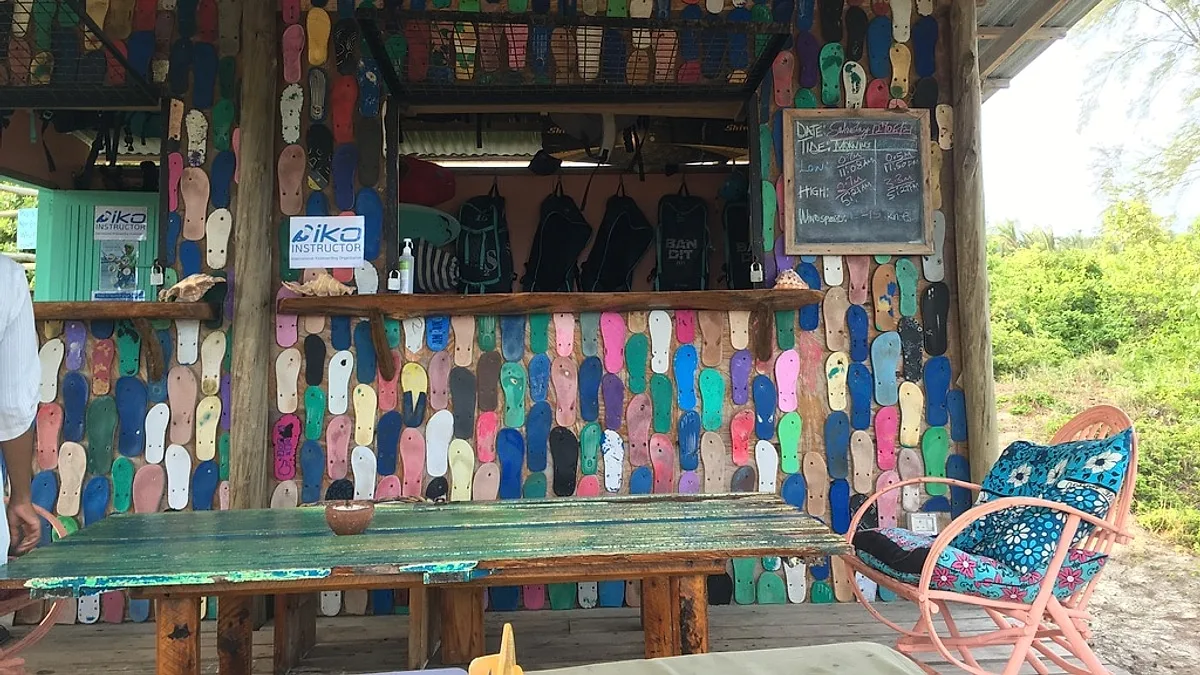 One of the biggest concerns for remote workers is internet reliability, and Kilifi’s infrastructure has steadily improved to meet the needs of global professionals.
Recent data shows median internet download speeds of about 16 Mbps, with peak speeds surpassing 100 Mbps in some areas. Fiber-ready neighborhoods are becoming increasingly common, with internet packages offering speeds of up to 30 Mbps for roughly Ksh 5,200 per month.
Power stability has also improved through innovative eco-focused developments. Projects such as Green Heart Kilifi have introduced off-grid solar infrastructure designed to provide reliable electricity for laptops, video calls, and remote work operations.
Mobile connectivity is strong throughout the town, and essential digital services such as M-Pesa remain widely accessible, making day-to-day living convenient for both local and international remote workers.
Top Coworking Spaces and Work-Friendly Cafés
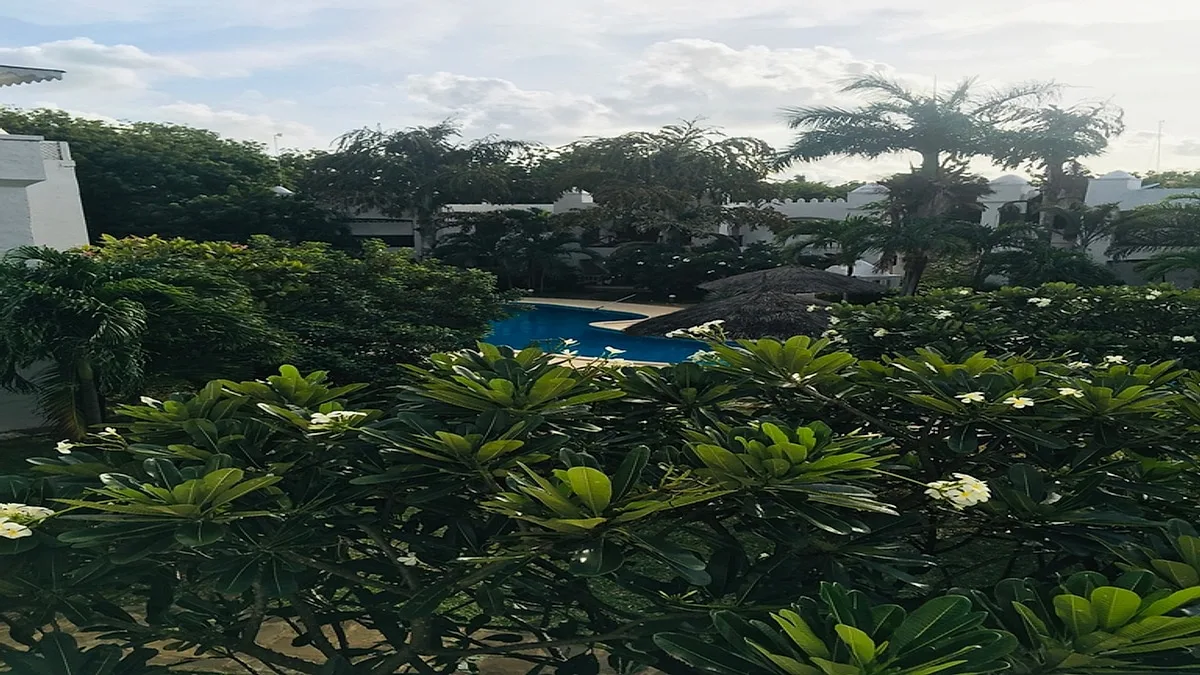 Kilifi’s growing “laptop culture” has led to the rise of several coworking spaces and cafés tailored to digital nomads and freelancers.
Green Heart Kilifi — A sustainable community hub offering coworking areas, accommodation, and social spaces integrated into a nature-focused environment.
Vava Voom Café — Located within the Green Heart development, this café is popular for casual work sessions, quality coffee, and a relaxed atmosphere.
Distant Relatives — Also known as Kilifi Backpackers, this social hub attracts remote workers, creatives, and travelers, and hosts regular community events such as pizza nights and live gatherings.
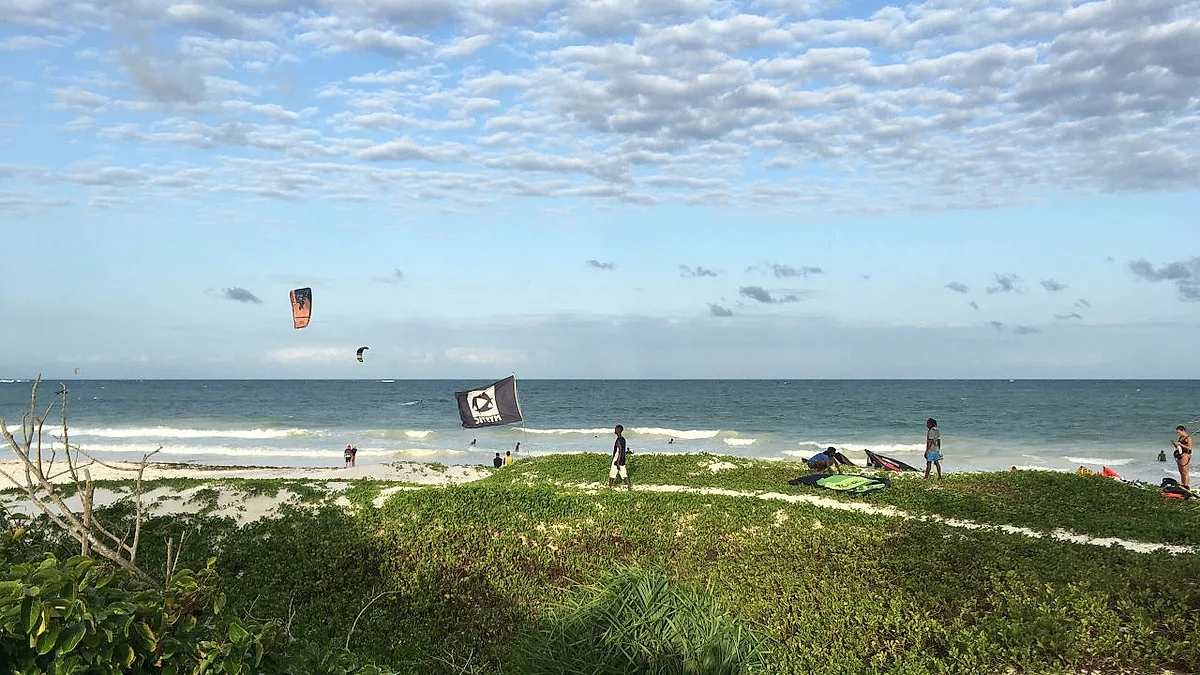
Salty’s Kitesurf Village — A unique work-and-play destination where remote workers can combine productivity with kitesurfing and beach life.
Where to Stay: Neighborhoods for Every Budget
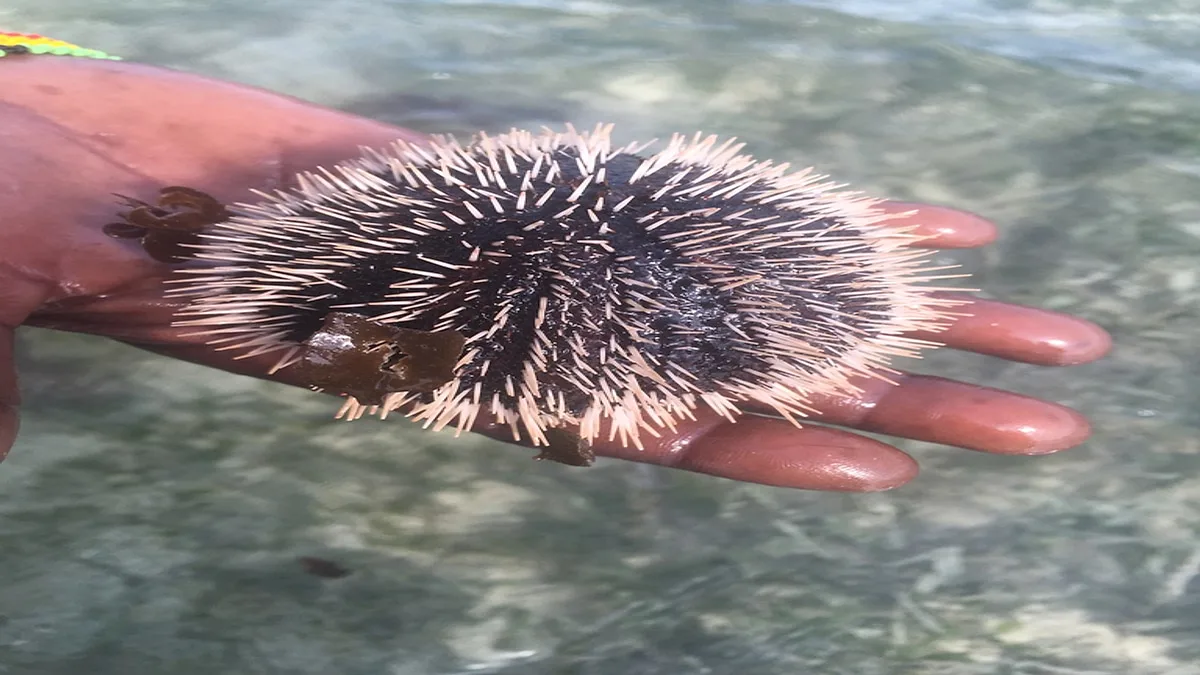 Kilifi offers accommodation options for every type of traveler, from budget-friendly backpacker lodges to luxurious beachfront resorts.
Budget-Friendly Stays ($8+)
Travelers on a tighter budget can enjoy an authentic coastal experience at Tribe Bandas, a rustic stay deeply connected to local Giriama culture. Another popular option is Distant Relatives, a lively backpacker hub known for its social atmosphere and community events, although weekends can get noisy.
Mid-Range Options ($35+)
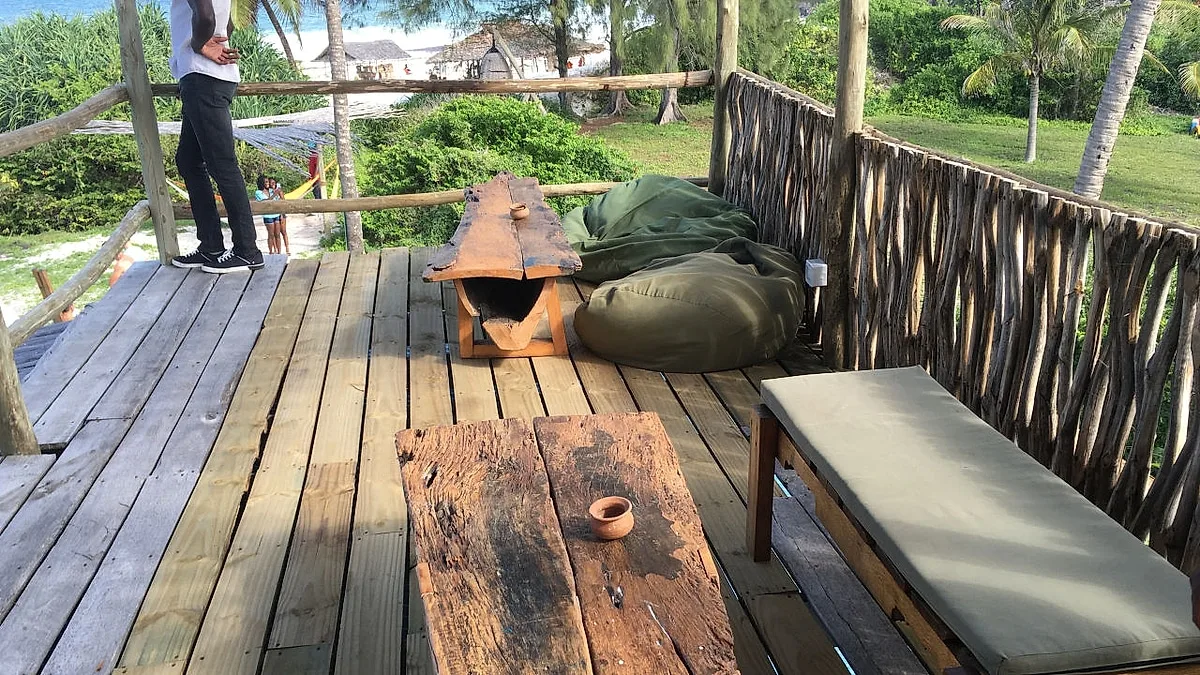
Salty’s Kitesurf Village offers quirky rooms, direct beach access, and complimentary breakfast, making it a favorite among remote workers and adventure travelers.
Luxury Escapes ($140+)
For high-end comfort, Silver Palm Resort delivers an ultra-luxurious experience often compared to an “Emirati Sultan’s palace.” The resort features premier suites, private pools, and personalized butler service.
Life Outside Work: The Ultimate Coastal Reset
Kilifi is more than just a productive remote-work destination — it is a place to reconnect with nature, creativity, and the relaxed rhythm of the Kenyan coast.
Pristine Beaches in Kilifi
If you are looking for some unspoiled natural beaches in Kilifi, these are the best for tourists.
Bofa Beach
Often considered one of the most beautiful and uncrowded beaches in Africa, Bofa Beach is ideal for sunrise walks, yoga sessions, and peaceful afternoons by the ocean. Still, Bofa Beach is currently a private beach that can be accessed depending on the accommodation facility you choose.
Fumbini Beach
Located along the creek, Fumbini Beach is famous for its glowing bioluminescent plankton, which illuminates the water during new moon nights.
Adventure and Nature
Sunset Dhow Trips
Sailing across Kilifi Creek aboard a traditional Swahili dhow remains one of the town’s most iconic experiences, especially at sunset.
Vuma Cliffs
Located roughly 30 minutes from town, these dramatic coral cliffs create a stunning coastal landscape where crashing waves can shoot nearly 60 feet into the air.
Watersports
Kilifi’s calm creek waters and open ocean conditions make it one of Kenya’s top destinations for kitesurfing, snorkeling, paddleboarding, and diving.
The Food Scene
Kilifi’s dining scene blends authentic Swahili cuisine with international flavors and health-conscious cafés.
Village Dishes — Known for traditional Swahili favorites such as biryani, coconut fish, and chapati.
Nautilus — A refined seafood restaurant where diners can watch fish swim beneath the deck overlooking the creek.
Gitari’s — A budget-friendly vegan eatery serving affordable plant-based meals, some costing as little as Ksh 50.
Safety and Practicalities
Kilifi is widely regarded as one of the safer towns along the Kenyan coast, especially for long-term travelers and remote workers.
Community Security
A local community watch initiative known as Amini Kilifi works closely with the Kenya Police Service and operates multiple response vehicles throughout the town.
General Safety Tips
Although crime levels are relatively low, visitors are still advised to avoid isolated or poorly lit areas at night and to take standard travel precautions.
Medical Facilities
Kilifi has several healthcare facilities, including hospitals offering 24-hour emergency services.
Getting to Kilifi
Kilifi is easily accessible from both Nairobi and Mombasa through multiple transport options.
By Air
The nearest airports are in Mombasa and Malindi, both located within 90 minutes of Kilifi by road. Domestic airlines such as Jambojet and Fly540 operate regular flights from Nairobi.
By Train
Travelers can take the Madaraka Express SGR train from Nairobi to Mombasa, then continue to Kilifi via taxi or local ride-hailing services such as Wasili.
By Road
Kilifi is approximately 522 kilometers from Nairobi, with the drive taking around eight hours depending on traffic and road conditions.
About The Author
Mercy Atieno is a Kenyan travel and lifestyle writer passionate about storytelling, culture, and exploration. With over five years of experience in travel writing, she creates engaging content that highlights destinations, entertainment spots, and unique travel experiences across Africa. Mercy studied Journalism at the Kenya School of Mass Communication, where she earned a diploma that strengthened her research and storytelling skills.
She contributes travel and lifestyle content to Reach The Dodo, focusing on guides for cities such as Johannesburg, Cape Town, and Nairobi. Her writing blends practical travel advice with vivid narratives inspired by nature, culture, and local traditions. Mercy dreams of traveling the world full-time while embracing an off-grid lifestyle and sharing authentic experiences that inspire readers to explore and appreciate diverse cultures.
Mercy can be contacted through her X account.